

Feeling Disconnected in an Increasingly Isolated World
Source: rocket50
By: rocket50 Staff
Date: February 17, 2023
Feeling Disconnected in an Increasingly Isolated World
Just as we were getting comfortable, a new Covid variant has arrived in time to complicate the winter cold and flu season. By now, of course, we’ve learned to live with these outbreaks. Our ability to adapt has been quite remarkable, but it’s left an indelible mark. Covid has left us a lonelier, more isolated society.

We’ve lost friends and family. We’ve watched our neighborhoods change
Favorite bars, cafes and businesses struggled to survive and ultimately closed. We restructured our lives and our families. Women, of course, powered into overdrive and took on the additional roles of caregiver and homeschooler, often making career sacrifices.
As we began our new remote lives, we realized how much we missed the workplace camaraderie--the banter, the impromptu lunches and afterwork drinks. But it’s more than that—we miss the casual social interactions along the way that make us feel like we’re part of a community. It’s the barista where you pick up your morning coffee, the guy at the bakery who makes the scones that go right to your thighs, and the butcher who loves to share the latest photos of his new twins. These interactions give us a sense of belonging to our communities that we lost as we transitioned to the new Covid-imposed virtual workforce.
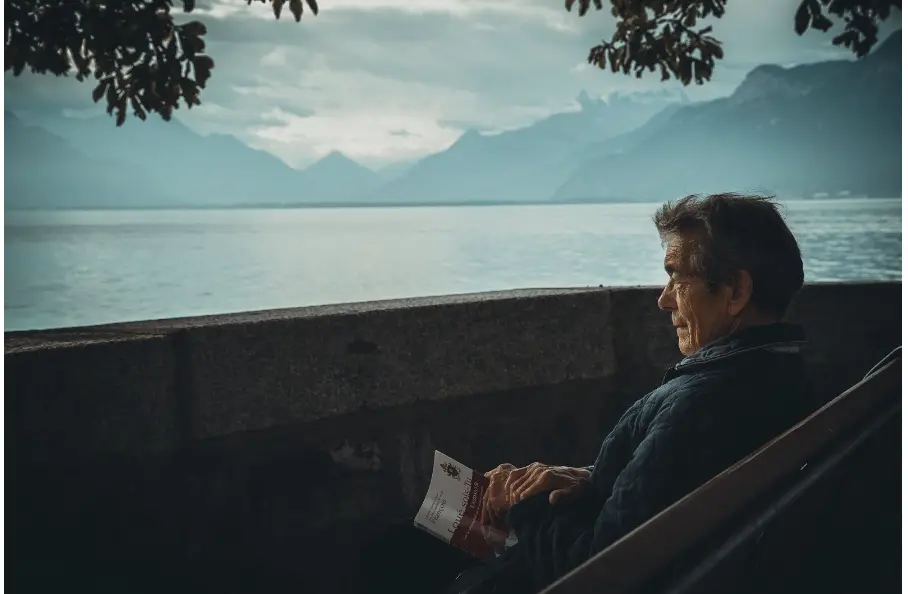
Isolation feeds on itself
Working from home with our computers as a company, Zoom replaced human connections. Intermittent forays into social media were a poor substitute for personal interactions. The virtual cocktail hours and other attempts at Zoom socializing fell short. For many, it became easier to just stay home, and we became lonelier.
Loneliness has physical manifestations
Neuroscientists believe that isolation and loneliness are not just emotional states, but physical manifestations. According to John Leland’s article in the New York Times, “How Loneliness Is Damaging Our Health”, the brain perceives loneliness as a threat and begins to monitor for danger. It goes into overdrive, triggering our fight-or-flight stress hormones. Heart rate and blood pressure increase and blood sugar levels surge in case we need to fight.
We produce fewer antibodies to fight viruses—just when we desperately need these antibodies to fight Covid. We begin to view other people as potential threats rather than as friends. The cruel irony is that these physical manifestations make us more susceptible to Covid and less responsive to the vaccine because we now have fewer antibodies to fight it.
According to Leland, “Being lonely, like other forms of stress, increases the risk of emotional disorders like depression, anxiety and substance abuse. It also puts people at greater risk of physical ailments that seem unrelated, like heart disease, cancer, stroke, hypertension, dementia and premature death.”
It’s hardly surprising that loneliness appears to have increased significantly since the outbreak of the global pandemic.
So how can we break the cycle of loneliness?
We have to want to break out of this dangerous downward spiral. We can’t count on anyone coming to rescue us. I believe it starts with remembering the warm feelings we derive from being with our friends and family. Those feelings stay with us, and as we start to feel better, we want to feel more of these good feelings.

How can we connect in an increasingly isolated world?
- Pick up the telephone and call someone. Call grandkids, family members or colleagues. Do it when you have time to really talk, listen and share.
- Take advantage of online meeting software. There are plenty of free options, including Zoom, WhatsApp, FaceTime, etc. Connect with old friends on Facebook and start a conversation. I’ve reconnected with my old high school buddies and it’s fun to see how our lives have evolved. Host video chats or movie nights with your family. If you don’t know how to do this, Google it or go to YouTube and get step-by-step instructions.
- Take advantage of cool free stuff. Years ago, when I lived in San Francisco, I got laid off from my corporate marketing job after 911. God only knows when I was going to get another gig, so I was on a big-time budget. I started looking around for activities that didn’t cost anything. Museums have free days; libraries often have wonderful free programs, and bookstores feature writers promoting their new books. You’ll be meeting people who share your interests, so it’s easy to strike up conversations that can lead to longer associations.
- Join a book club. Open your mind to new literature while you fill a social need. If you can’t find a club to join, start your own. Don’t know enough people to start a book club? Join social media site, NextDoor, and create a new post. You’ll find people in your own neighborhood, and people on this site tend to be very responsive.
- Exercise with a partner. Exercise machines and devices are available that allow you to connect and even compete with others while you use them. The Peloton bike is apparently doing this well. One of my friends is working out with her sister in Germany three times/week. It’s her sister’s morning and her evening; they launch a workout app and look forward to their time together.
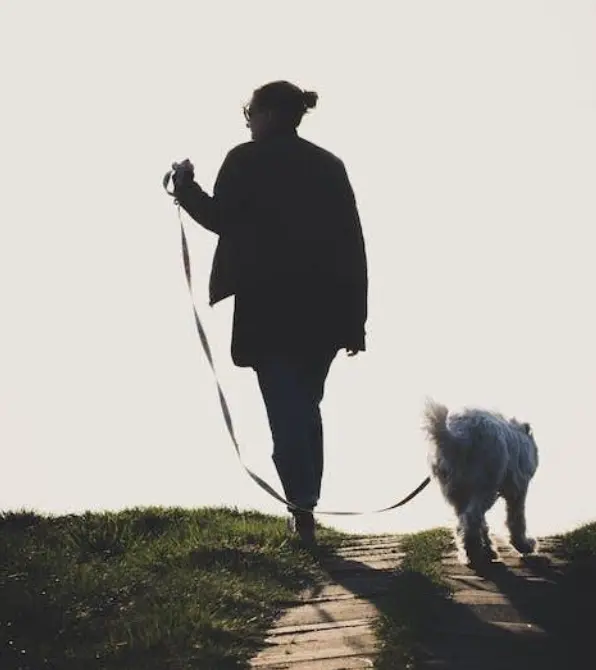
6. Hello dog lovers! This is an easy one. Go dog walking with someone else. Make it a weekly date and it becomes something to look forward to. Or think about fostering a pet. You will meet fellow pet lovers at animal shelters who share your love of animals. If you’re available, volunteer to walk dogs on an ongoing basis.
7. Love politics? It’s not too early to get involved in 2024 political campaigns. Katie Porter just announced that she’s running for the California Senate in 2024.
8. Get involved in a cause. Whatever your views, there are worthy causes to support, including the environment, Alzheimers or cancer research, the ACLU, the African Wildlife Fund to help save the elephants, etc.
9. Participate in group activities. One of my friends loves her senior yoga class that meets three times/week. It’s not too strenuous, and it’s inexpensive. She’s been doing this for years, and it’s become an important support system for her besides keeping her active and limber.
10. Reach out to your neighbors. Covid taught us that there are people who can’t get to the market or the doctor. They may/not have internet access and it’s easy to become isolated. There’s a senior center in my town where they keep a list of those who need rides to doctor visits or have other needs that volunteers can fill.
11. New in town? It can be extremely difficult to meet people. I moved to a small town in the Napa Valley a few years ago. It was a cold, rainy February and I was bicyclng home one evening and I was struck by how alone I was. It seemed like everyone was self-sufficient; no one needed a new friend or acquaintance. I got over my pity party and joined a Soroptimist group and a bocce team—bocce’s very big here in the Valley. I met an interesting man and I soon began to feel like I belonged. But it takes effort. Not one person knocked on my door.
12. Sign up for a class. Our community college takes “community” seriously. Its nonmatriculated roster of quarterly classes is hands-on and tailored for those who want to learn a new skill, such as script writing, portrait drawing and quiltmaking. Being a food-obsessed culture, there is a wide range of cooking classes, and there’s a selection of no-fee classes for older adults. Do some research on what’s available in your community.
Can you remember how to build new relationships?
-
Be authentic. If you’re building a relationship, it starts with honesty. Don’t make up details to impress.
- Respect people's boundaries. People give up as much as they’re comfortable with. One of my best friends is 78 and was sexually abused as a child by someone in her own family. She’s still seeing a psychiatrist once/week. Of course I’m curious, but she’s never volunteered the details, and I wouldn’t ask. We all have to be aware of peope’s boundaries and vulnerabilities.
- Be present and a good listener. If you want a relationship, it’s about sharing and being genuinely interested in someone else’s story. Put your phone down and refrain from looking around to see who’s arrived in the room. Be present.
What happens when it’s your turn to talk and you keep getting interrupted? Or maybe you talk a little bit, then it’s back to them again. Let it go. I’ve figured out that these kinds of connections are really not worth cultivating. You deserve better.
Janet Peischel is a rocket50 writer and the Owner of “Being Top of Mind” marketing consultancy. She writes about lifestyle issues, products and trends of the 50+ population. “We represent a huge market that’s vocal, active, and determined to stay active and involved!”
rocket50's mission is to empower people 50 and older to harness their potential and become the best versions of themselves in their 50s, 60s, 70s and beyond. We are committed to create shared experiences and share proven tools that empower you to design a better, more enjoyable life in all its facets. We want to make you feel confident with who you are, encourage you every step of the way, and have fun as we learn and grow together.