

What if Retirement Just Isn’t for You?
Source: rocket50
By: Janet Peischel rocket50 Contributing Writer
Date: February 18, 2023
What if Retirement Just Isn’t for You?
The golden years. A new chapter of life. A time to relax, sleep in, travel, garden, learn to cook, pursue hobbies and interests. A time to enjoy your family and friends. Volunteer and get involved in community and causes. They always make it sound so idyllic. But for millions of Americans, retirement just isn’t what it’s cracked up to be.
After a few months, many retirees find themselves missing the camaraderie of the workplace, the intellectual stimulation of working as part of a team to solve problems. They start to look around for something they can do. It well may be that they don’t want a fulltime job with all of the pressures and anxiety; rather, a part-time job starts to sound enticing, where they can interact with people and utilize their skills. There are the intangibles that we tend to discount--the sense of accomplishment and contributing to a greater good.
One of my clients was a buyer for Nordstrom for years
He was really looking forward to retirement. He spent a few months doing some traveling, then he redid his backyard. After that, he found himself missing that sense of purpose, of needing to be someplace every day. He got his real estate license and began a new career. We created a website and started doing a newsletter and created a presence on social media. He’s doing really well and loves his new career!
What to be thinking about if you’re coming out of retirement
If you’re debating whether or not to return to the workforce, ask yourself a few questions:
- Am I bored in retirement?
- Am I running out of money in retirement
- Am I looking for a new challenge?
- Do I want to be more productive and contribute to society?
If you answered yes to any of these questions, then returning to the workforce in some fashion may well be the right choice for you. It’s also important to consider the financial implications. How will your income be impacted? Will you be able to continue to receive benefits such as Social Security, Medicare or a pension? How will your taxes be impacted? Consider all of these questions before making the decision to return to the workforce.
Many really can’t afford to retire
There are all of those who were laid off during the recession and used up their 401k’s and other retirement savings to make their mortgage payments and meet other expenses.
According to the 19th Annual Retirement Survey of Workers conducted by the TransAmerica Center for Retirement Studies, we baby boomers have an average of $152,000 saved for retirement. This is not nearly enough to last through retirement. Based on information from the Bureau of Labor Statistics, we spend $48,885 a year. Do the math, and it’s a gloomy picture.
Those with chronic health problems find themselves with a calendar full of never-ending doctor appointments. Once you get started, it’s hard to break out of that cycle. Those health issues also may complicate a return to the workforce. At the very least, it means finding work that allows for flexibility.
Benefits of returning to the workforce
- Perhaps the most important benefit is social. After retirement, it’s easy to become isolated and disconnected. Returning to the workforce provides an opportunity to reconnect with old colleagues and make new friends.
- Another benefit is the chance to stay mentally active. For those without hobbies or a lot of interests, retirement can mean long days with nothing to fill them. Long hours in front of the TV becomes a downward spiral. Rejoining the workforce can help to keep your mind sharp and engaged. One of my old boyfriends spent 40 years in the financial services industry. When he retired, he hunkered down in front of his TV for ten-12 hours/day and stayed there. It took me a while to figure this out because I was so damn busy trying to build my business. But after a while I realized that he didn’t read anymore. We’d get the morning paper and he’d look at the pictures. He didn’t know what was going on around us locally or globally. I was living with a zombie.
- A job can provide a sense of purpose and accomplishment. We like feeling that we’re making a difference, that we belong. Going back to work helps provide that nice feeling of satisfaction and accomplishment.
Identifying a back-to-work strategy
Once you’ve decided to come out of retirement and return to the workforce, the next step is to figure out how to get there. Assess your skills, interests, needs and goals.
- Take some time to think about what you liked most about your former job.
-
 What do you want to do differently?
 - What do you want to do more of?
- What skills do you want to develop?
- How much money do you need to be making?
- Do you want to be working full time or is a part-time job a better fit for you?
- How much flexibility do you want in your new job? Do you want to be able to work from home or another location part of the time?
A good example of someone who enjoyed his retirement is my friend Bill. He retired after a long career as sales and marketing director at Beringer Winery (We live in the Napa Valley.) He made the most of his retirement. He went fishing for a couple of days each month and wrote a weekly fishing column in the local paper. He served on a couple of boards and had a little mobile notary business. He read everything, was an avid sports fan, a politics junkie and was totally involved in his community.
Spend some time looking at the job boards to see what’s available
Talk to friends and colleagues who are still working to get a realistic perspective of what’s going on in the marketplace. You’ll get an idea of what skills are required and what applications you need to be able to use. You well may find that you need to update your skills.
One woman I know decided that she’d always liked to write, so she was going to look for a job as a writer. Good luck on that one. Schools are churning out so-called writers every year. These are the journalism, communications and English majors who can’t find jobs. Besides, writers aren’t just writers anymore, they’re content marketers and copywriters, expected to be able to do everything—we’re videographers, PR experts and editors. We’re art directors who can manage photoshoots, and we know how to use meeting and project management software. We’re experts in Microsoft and Adobe applications, able to respond to RFPs, create professional-looking presentations and manage a team. For every job post, there’s a long list of applications on which we need to be experts.
Update your profile on LinkedIn and create accounts on Indeed and ZipRecruiter and start your search. This will give you an idea of what’s available and what you need to learn. Do look at the nonprofit sector. This may be a good place to ease in to the workplace.
Making the transition to a new career
Making the transition to a new career can be intimidating, but it doesn’t have to be. Here are some tips for making the transition easier:
- Create or update your resume. Highlight relevant experience and skills. Think about transferrable skills.
- Avoid going back 30-40 years. That’s way too scary for an employer. Think recent, relevant experience.
- Network with people in your industry. Attend industry events, join professional organizations, and reach out to contacts in the industry.
- Take a class or get certified in the industry. If you’re not tech savvy, it’s time to get started. LinkedIn has a great series of classes as does Google. You can take individual modules or a whole of classes that provide certification.
- Brush up on your interview skills. Make sure you’re prepared to answer any questions that may come your way. Do some role playing with a friend to help prepare.
Research employment opportunities
A friend of a friend, Patty, had some health problems that required her being hospitalized for days at a time. It all became so confusing that my friend helped her find a healthcare patient advocate. This person was a godsend. She interfaced among Patty, her healthcare providers and her insurance company. She scheduled appointments for Patty and made sure she got her medication and knew about the next steps for her treatment. Patient advocates also help patients get financial, legal, and social support.
This is just an example, but this position would be ideal for someone who had a healthcare background, perhaps on a part-time basis as a consultant. It does require certification.
Strategies for staying motivated and interested in your new job
Once you’ve landed your new job, it’s important to stay motivated and interested. Here are some tips for staying engaged in your new career:
- Set goals for yourself. Set both long-term and short-term goals to keep yourself focused and motivated.
- Take on new challenges. Don’t be afraid to take on new tasks or projects to keep yourself interested in your job.
- Expand your knowledge. Take classes or start reading to get updated on the latest trends and developments in your industry.
- Connect with former colleagues. Build relationships with new colleagues can help make your job more enjoyable. Even for the introverts among us, connecting with others becomes a powerful force. Isolation starts to feed on itself.
Network and connect; nobody’s going to do this for you
Networking is an important part of any job search, and it’s especially important when coming out of retirement and returning to the workforce. Networking helps connect with potential employers and others in your field. You never know who’s going to be the source of a good lead or a new friend. If you haven’t done this in a while, know that you’re going to have to put yourself out there. If your industry has a professional organization, joining this is a good way to get started. 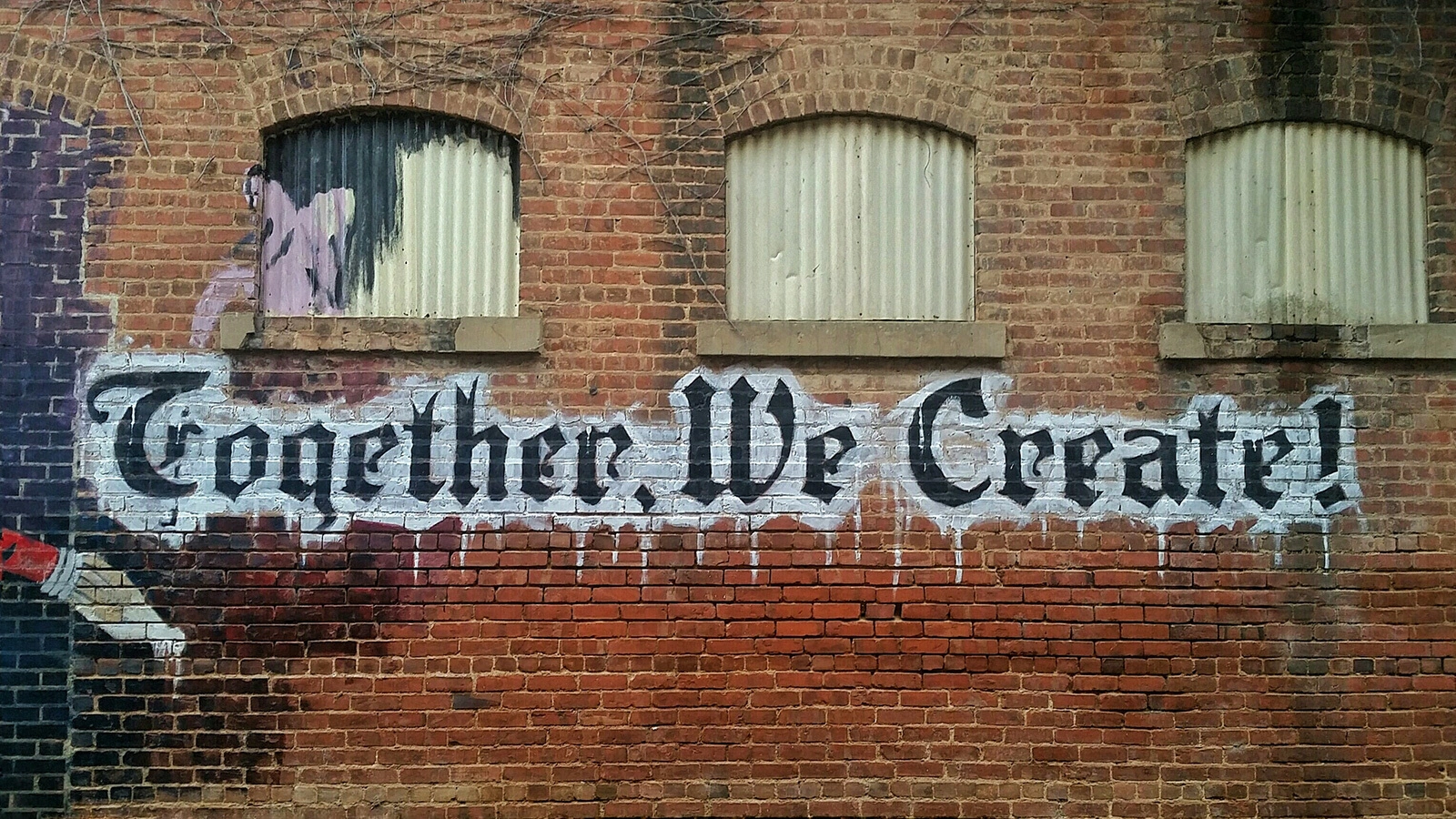
Overcoming the challenges of reentering the workforce
Reentering the workforce after retirement can be challenging. It’s not uncommon to feel overwhelmed, anxious, and insecure. There’s a very good chance that you’ll be surrounded by people who are younger than you—sometimes significantly younger.
If you’re reentering the workforce:
- Take it one step at a time. This is going to be a process. You will have good days and really bad days.
- Don’t be afraid to ask for help or advice from friends, family, or colleagues. Surround yourself with supportive people.
- Find a mentor. Find someone who can provide guidance and support.
- Celebrate each small successes so you don’t get derailed.
Resources for returning to work after retirement
There are numerous resources to help you come out of retirement and return to the workforce. Here are some to consider:
- The AARP Job Board. The AARP Job Board provides job listings for seniors, as well as resources and advice on the job search process.
- If you’re thinking about starting your own business, the Chamber of Commerce has templates for a startup business plan. There are just so many online resources these days to help you get started. Fiverr is a website for freelancers. There are people here who provide a wide range of services at a variety of price points--think graphic design, writing, translation, web development, video animation, AI, etc. Either submit your profile to be a provider or find a contractor to provide services for yourself.
- If you’re interested in freelancing, you’ll need a website. There are lots of great options. I just built a website for one of my clients using GoDaddy. Get your domain name through GoDaddy and build your site here and it’s seamless. All for $10/month—though the domain name may be more, depending on what name you choose. The website builder makes it ridiculously easy. It’s all designed around templated pages. Just upload your own images and text. Wix and Square also have easy-to-use interfaces, though not as easy as the GD model.
- Traditional job boards include Indeed, ZipRecruiter and LinkedIn. Create an account, flesh out your profile and start applying for jobs that meet your specs.
- Professional organizations. Many professional organizations offer resources and support for seniors returning to the workforce.
- Don’t forget to tell people in your social circle that you’re looking for a job and what that job looks like. Don’t expect people to figure this out or guess because they won’t. Be specific.
- Invest in yourself. Take classes or attend workshops to stay up-to-date on the latest trends and developments in your field.
It’s a big step, but open yourself to new ideas!
Coming out of retirement and returning to the workforce is a big step. Network, stay on top of job postings and leave yourself open to new ideas, including starting your own business! Take time for yourself.
Janet Peischel is a rocket50 writer and the Owner of “Being Top of Mind” marketing consultancy. She writes about lifestyle issues, products and trends of the 50+ population. “We represent a huge market that’s vocal, active, and determined to stay active and involved!”
rocket50's mission is to empower people 50 and older to harness their potential and become the best versions of themselves in their 50s, 60s, 70s and beyond. We are committed to create shared experiences and share proven tools that empower you to design a better, more enjoyable life in all its facets. We want to make you feel confident with who you are, encourage you every step of the way, and have fun as we learn and grow together.