
Those Crazy Americans. They Retire, Then Go Back to Work!
Source: rocket50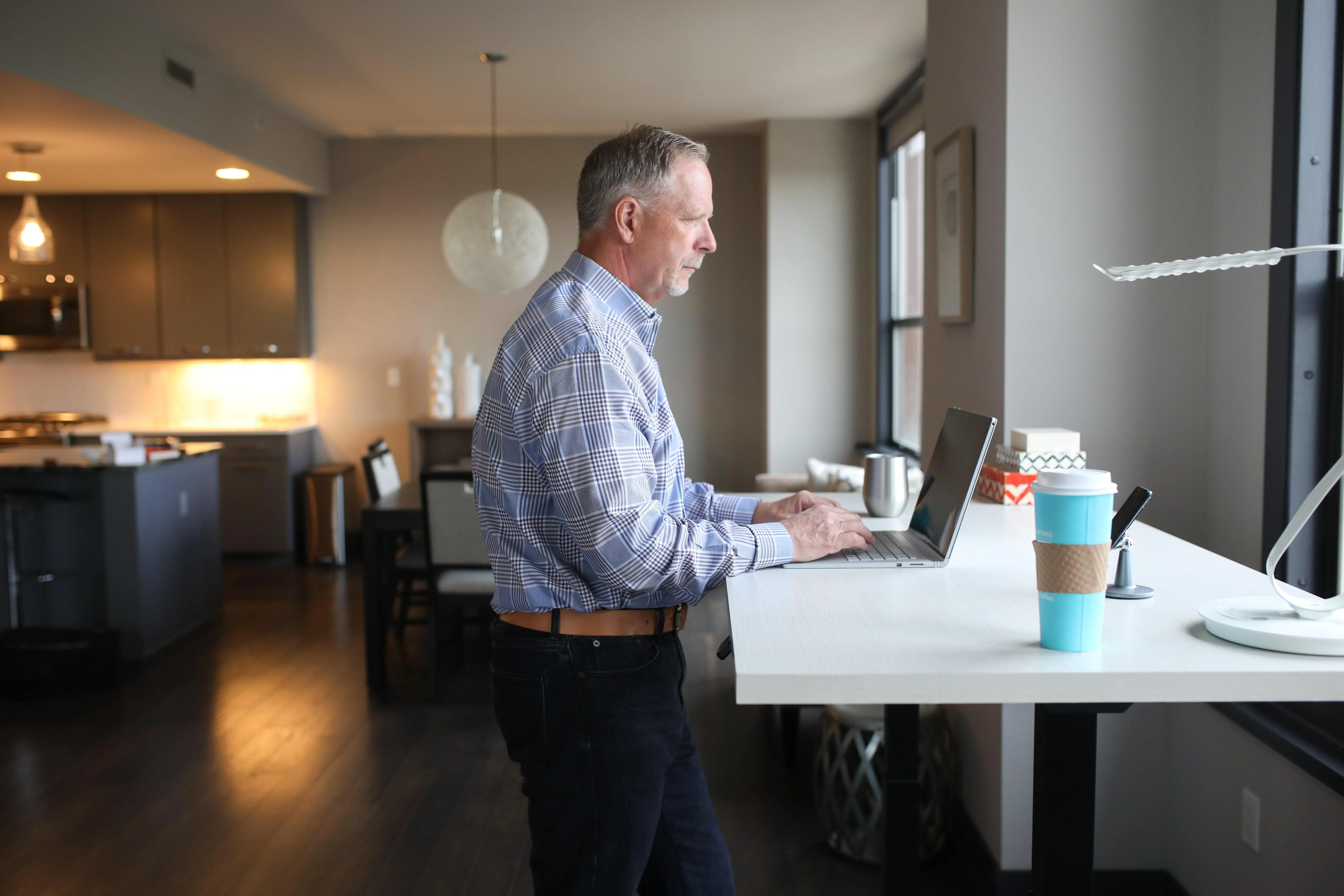
By: Janet Peischel rocket50 Contributor
Date: March 22, 2023
Those Crazy Americans. They Retire, Then Go Back to Work!
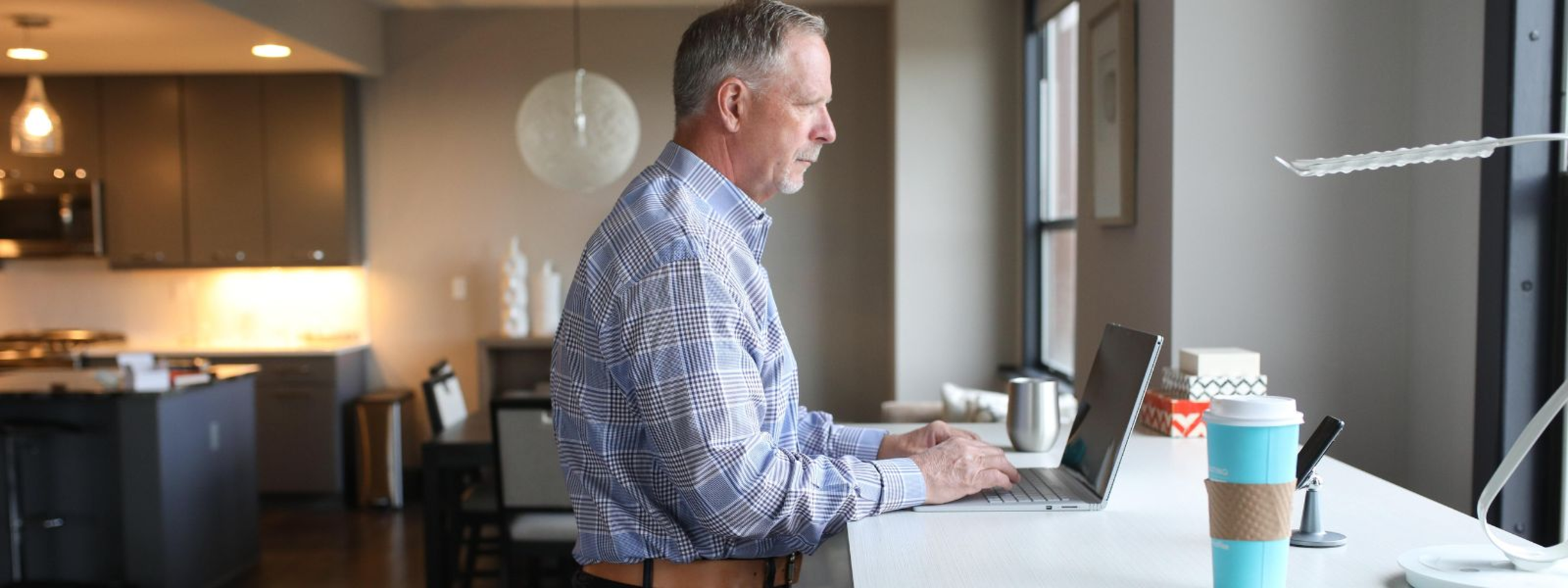
A whopping one quarter of American retirees are “unretiring”! According to the Bureau of Labor Statistics, of adults ages 65 to 74, the “workforce participation rate” was 25.8% in 2021.
- The majority of those who are “unretiring” have been out of the workforce for an average of four years.
- Needing more money is a common theme, enhanced by inflation.
- Most are looking for work that provides flexibility and is low stress.
- Boredom and loneliness are also strong motivators.

Let’s take a look at how Americans’ work ethic stacks up against those of other countries.
In France, they’re protesting a proposed increase of the retirement age to 64. As U.S. retirees head back to work, in France, angry protesters have taken to the streets to pressure lawmakers to bring down President Emmanuel Macron’s government over his proposed measure to raise the retirement age to 64 by 2030. Macron’s plan calls for the French to work until 64 before receiving their full pensions. The French traditionally enjoy four weeks of vacation and a 35-hour work week.

Here in the U.S., it’s pretty clear that many people of traditional retirement age don’t want to stop working. The whole point of retirement is to sit back, relax, and enjoy your life. But enjoying life for many of us includes that which work provides: Structure, mental stimulation, creativity, being part of something bigger than ourselves and the camaraderie of the workplace. We’ve found that this can be profoundly satisfying on many levels.
French pension reform is essential to keeping the retirement system afloat
Raising the retirement age is an important part of Macron’s second term agenda. It’s a matter of economics. Protesters come from both the far left and far right. They fear the effects will be felt most harshly by those on the lower end of the economic scale. Like its neighbors, France faces lower birth rates and longer life expectancy. You don’t have to be an economist to understand that this translates to fewer people paying taxes to fund the pension system. It’s not sustainable.
If France succeeds in raising the retirement age, other countries will follow
Other countries with the economics of a growing elderly population and lower birth rates include Germany and Italy. As I wrote in an earlier article, in Italy, pensions absorb most of Italy's welfare spending–that money is being channeled to its elderly population. Italy has mortgaged its future to care for their seniors. For the country’s young people, finding employment stability may mean finding jobs in other EU countries or outside the EU altogether. Frankly, it’s hard to muster much sympathy for those who are protesting the rise of their retirement age. Bumping up the retirement age to 64 may be an economic necessity and doesn’t seem like a hardship to me. But I’m one of those oldsters who works, as do most of my 65+ friends and colleagues.
 What about those highly socialized Scandinavian countries?
These are the countries that are socialized but enjoy a high quality of life. Surprisingly, early retirement isn’t one of the benefits of socialization.
In fact, all of these countries have a longer work life than their European neighbors and a longer life expectancy at 81-83 years. (The life expectancy in the US is now 77 years.) In Denmark, the retirement age is 67, which will rise to 68 in 2030. In Norway, you may draw your retirement pension the month after you turn 62. To draw retirement before the age of 67, you must have sufficient earnings. Amsterdam retires at 66, rising to 67 in 2024. In Sweden, the retirement age is 63 and has been thoughtfully addressed. From 2026, the age limit will gradually be increased in line with increasing life expectancy. You can work while you withdraw your national public pension. Note that citizens of Greece, France, Italy, Luxembourg and Slovenia all retire at 62.
It’s a cultural thing: Americans work all the time
Americans carry around our laptops and tablets as badges of honor. Yet in France, it can be difficult to find cafes with wifi. These are important cultural differences about the way we prioritize our work and personal lives. In France, cafes are where you meet your friends to talk and have coffee or a glass of wine and a meal. Here at home, cafes are where we whip out our laptops and phones and get to work.
In my most recent trip to France–a month in Toulouse–I was highly aware of all the coffee and tea cafes. People would meet in the afternoons to have dessert and tea or coffee. These cafes were packed on weekends with couples, groups of friends and extended families. They ordered these gorgeous desserts and generally coffee and tea–not alcoholic drinks.

In other countries people are more comfortable just being–simply having a glass of wine or a coffee and sitting. Perhaps they’re simply reflecting on their good fortune! In America, we always have to be doing something. It’s very hard for us to order a coffee and just sit.
France’s strong unions contributing to efforts to protest the retirement age
As Macron digs in, rubbish piles up–the garbage collectors are on strike. I’ve spent quite a bit of time in France, and I can’t remember a time when there wasn’t a strike. It’s these unions that are now driving the retirement age protest. When I arrived in Toulouse, there was a transportation strike. I took a tram from the airport to downtown, but I couldn’t get a cab or Uber to take me to my airbnb. While I travel light, It’s still a schlep. One very kind woman told me to hop in her car, and she drove me to my door. Amazing.
Conclusion
Unlike the French who are now protesting the proposed rise of their retirement age from 62 to 64, Americans retire and often return to work. It may take a few years, but we find ourselves bored, lonely, or we need more money. We’re drawn back to the workforce for a lot of reasons. For many of us, it’s the satisfaction of being involved. For those without a strong support system, work provides the social interaction that can be missing in our lives. Especially for single retirees, it’s easy to become isolated. For the nearly 25% of retirees who return to the workforce, most want a job that is low stress and provides flexibility. They also want to be able to work remotely. Today’s seniors are active and on the move, and we want jobs that we can take with us!
Janet Peischel is a rocket50 writer and the Owner of “Being Top of Mind” marketing consultancy. She writes about lifestyle issues, products and trends of the 50+ population. “We represent a huge market that’s vocal, active, and determined to stay active and involved!”

Our mission is to empower people 50 and older to harness their potential and become the best versions of themselves in their 50s, 60s, 70s and beyond. We are committed to create shared experiences and share proven tools that empower you to design a better, more enjoyable life in all its facets.