
Staying Connected for Health and Wellbeing
Source: rocket50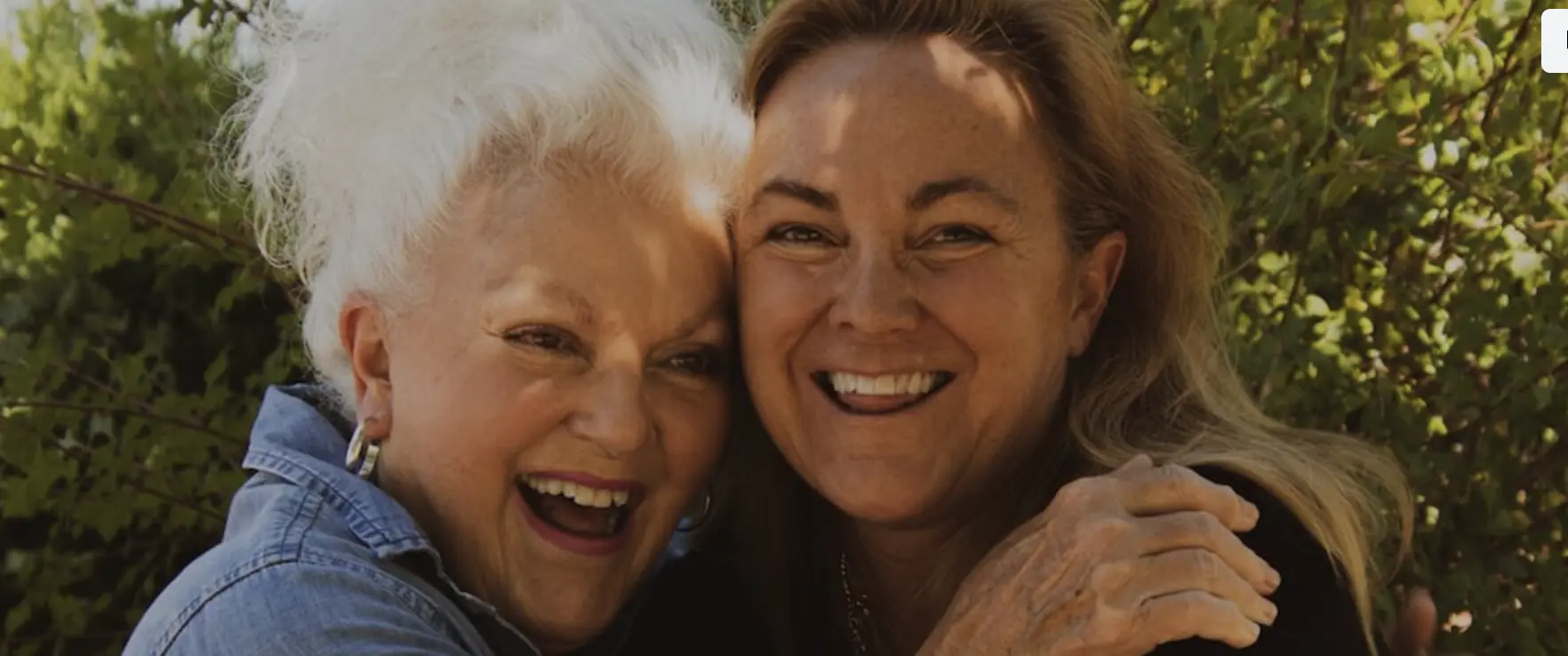
By: Janet Peischel rocket50 Contributor
Date: May 6, 2023
One of my friends and I used to joke about how if anything happened to us, it would be weeks—even months—before anyone noticed we were missing. We pinged each other at least once a week for years. My friend Bill took communications very seriously, and he called or messaged me every few days just to make sure that I was okay and often dropped by with a little treat. Happily, he enjoyed robust health into his 90s. And now, both of these friends are gone. And that’s the problem. Once we lose our cherished friends, our social circles close in. For seniors, the prospect of finding new friends can seem overwhelming. We may have had a wide circle of friends through our work or church. It was easy when our kids were growing up, and our community became the source of relationships. But where do we begin now?
Our social networks can be in formal
A social network is made up of old and new friends, family and colleagues. But it can also include that person you run into on your morning walk and the mailman who always finds time for a quick chat. If you enjoy their conversation and look forward to seeing them, they’re part of your social network. The prescription for healthy social networks is maintaining existing ties and forming new connections.
Social media only takes us halfway there. Research confirms that virtual connections have benefits as well as drawbacks. On one hand, older adults who routinely connect with other people via their cell phones and computers are less likely to be socially isolated. But the virtual space can’t replace the feeling of belonging, sharing time together, touching and sharing warm hugs.
A European study has found that social media use among the aging community improves health in terms of cognitive capacity.
It increases a sense of self-competence and may have a beneficial effect on mental and physical wellbeing. Shifting activities to the online environment—exercise classes, social hours and writing groups for older adults helped many people remain engaged during the pandemic. I’ve reconnected with my old high school pals on Facebook. They ramped up their social media to stay in touch with their kids and grandkids. Of course their grandkids wouldn’t be caught dead on Facebook anymore—it’s strictly for old people! But that’s okay. We love connecting and seeing how our lives have evolved over the last 40+ years.
Being in the same location with a friend or family member can be enough
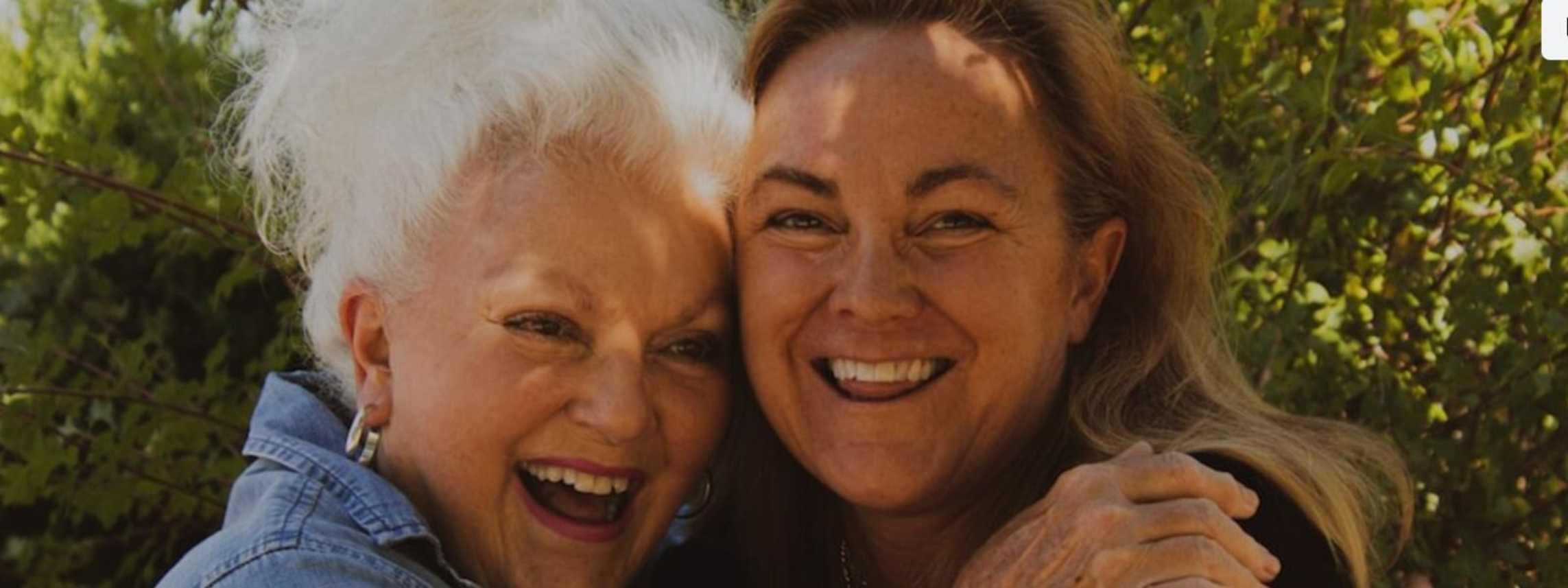
Touching, a warm embrace or touch of a hand can be enough–you don’t have to be talking. These low-pressure social interactions can mean a lot to older adults, and it can’t be replicated in a virtual environment, according to Atwan Kotwal, an assistant professor of medicine in the division of geriatrics at the University of California at San Francisco (UCSF), who has studied the effects of engaging with people virtually.
We learned some important lessons during Covid
We learned to Zoom and enjoyed the convenience of never having to leave our homes. We never had to get dressed, and we slopped around in leggings and sweats and got fat. But in study after study, people are lonelier after Covid than before. Sally’s story is an example. She was part of a group of women who met for a raucous monthly dinner for years. Sally was different from the other women in the group. She was single, lived alone and was a few years younger. But she loved being with these interesting professional women and looked forward to their dinners.
Then it was suddenly over. Within two years, one woman died of cancer and another had a fatal heart attack, while a third died in an automobile crash. Two more died of horrible illnesses. Sally was alone again as Covid swept the country, leaving her devastated and isolated.
After losing her group of friends, Sally suffered a mild stroke, heart failure and a nonmalignant brain tumor that confined her to her home. In an effort to escape her solitary confinement, Sally began writing about aging, reaching out to readers who got in touch with her. She joined a virtual travel site and a community of people with common interests. “Between Facebook and email, we write like old-fashioned pen pals, talking about the places we’ve visited. It has been lifesaving.” But Sally can’t call these people when she needs help or when she wants someone to share a meal. “I miss that terribly.”
According to Consumer Affairs, the health effects of loneliness are equivalent to smoking 15 cigarettes a day.
Loneliness has been estimated to shorten a person’s life span by as much as 15 years.
It can’t be diagnosed, and you can’t go to your doctor to get a prescription for a quick cure.
It can increase the risk of heart disease by 29%, mental health disorders by 26% and premature mortality by 26%, according to the Health Resources and Services Administration.
The mental health effects of loneliness may include sleep problems and anxiety, depression, stress and low self-esteem.
According to UCSF research, lonely seniors are 59% more likely to find daily tasks more difficult.
Physical effects include dementia, stroke and weakened immune systems.
Vulnerable populations are at higher risk
Vulnerable older adult populations, including immigrants, lesbian, gay, bisexual and transgender populations and minorities are at higher risk of loneliness and its emotional and physical manifestations. Stressors include language barriers and family dynamics. Cultural stigmas and discrimination are barriers to getting care.
Rightsizing communities: A big step in the right direction
Urban planners and architects are rethinking design as they plan new developments and communities. They’re thinking about how to build communities that meet the needs of an aging population and promote connections across generations. Architect Matthias Hollwich has pioneered “New Aging” architecture in hopes of creating com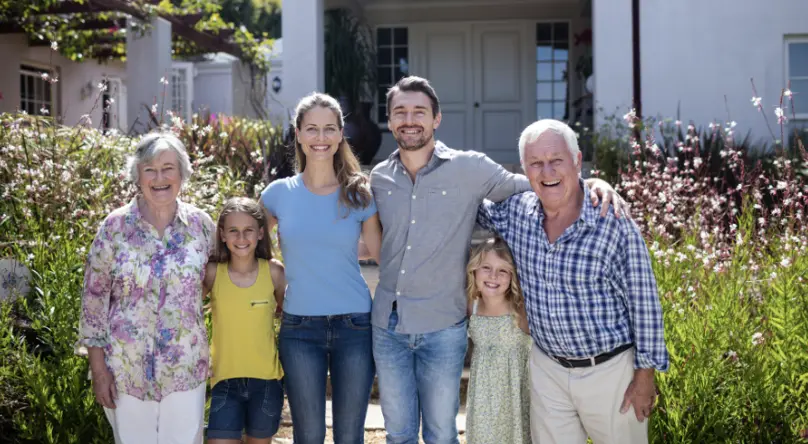 munities with walkable access to grocery stores, pharmacies and shopping.
This isn’t just about seniors. Rightsizing communities is about making them safe and accessible for every demographic. The community of the future is designed for workers and families as well as seniors. They’re built around transit hubs to keep cars off the road and cut down on emissions. Residents can walk to libraries, cafes, schools and can find services within walking distance. They have bike trails and parks. This is the community of the future.
Those with strong connections are happier and healthier
“It’s never too late to develop meaningful relationships,” said Robert Waldinger, a clinical professor of psychiatry at Harvard Medical School and director of the Harvard Study of Adult Development. That study, now in its 85th year, has shown that people with strong connections to family, friends and their communities are “happier, healthier and live longer than people who are less well connected,” according to “The Good Life: Lessons from the World’s Longest Scientific Study of Happiness”, a new book describing its findings, co-written by Waldinger and Marc Schulz, the Harvard study’s associate director.
A new message of hope for creating bonds
Waldinger’s message is one of hope. It recognizes that relationships aren’t only about emotional closeness. They’re also a source of social support, practical help, sharing valuable information and ongoing engagement with the world around us. These benefits are still possible, even as we lose cherished members of our families and social circles.
What can we do to help ourselves?
- Take a class. I’m lucky to live in a community where there are lots of resources for seniors, including several community colleges with nonmatriculated classes, both online and in-person. Get this: Stanford offers 130 free online courses!
- Learn a new skill. Something you always wanted to do. Dance, art, music. Learn a new language.
- Volunteer. I just googled volunteer.gov and I saw that the national park service needs volunteer admin support. There are some interesting opportunities here, both in-person and virtual.
- Churches and city government. Volunteer to be on one of your city’s commissions. Learn how your city works and become a stakeholder.
- Small Business Administration. This is a robust online resource center for anyone who’s starting a business.
- Get a job. Many seniors find that retirement means too many long days with nothing to fill them. A part-time job provides income, purpose and social interaction. Get started with the AARP job bank or Irresults.
- Check your local library’s calendar. My library has at least one monthly program that gets my attention. Subscribe to their newsletter so you can stay on top of activities.
- Historical Societies. If you’re interested in history, this is a great place to volunteer.
- Taking inspiration from one group of elder orphans
One 76-year old woman from Texas lost her husband and her best friend in the same year. The following year, two longtime friends moved to other parts of the country. In 2016, she had started a group of “elder orphans”—those without spouses and children to depend on. Covid sabotaged that effort.
Now, post-Covid, she reengaged with that group, and over a nearly three-hour lunch, these women never stopped talking. “They want to get together again. Looking in the mirror, I can see the relief in my face. We all share this situation of being alone at this stage of life, and we can help each other.” And that’s really what it’s all about.
Janet Peischel is a rocket50 writer and the Owner of “Being Top of Mind” marketing consultancy. She writes about lifestyle issues, products and trends of the 50+ population. “We represent a huge market that’s vocal, active, and determined to stay active and involved!”
rocket50's mission is to empower people 50 and older to harness their potential and become the best versions of themselves in their 50s, 60s, 70s and beyond. We are committed to create shared experiences and share proven tools that empower you to design a better, more enjoyable life in all its facets. We want to make you feel confident with who you are, encourage you every step of the way, and have fun as we learn and grow together.